Comentario
Lo que el día de San José nos enseña sobre el sentido de la vecindad
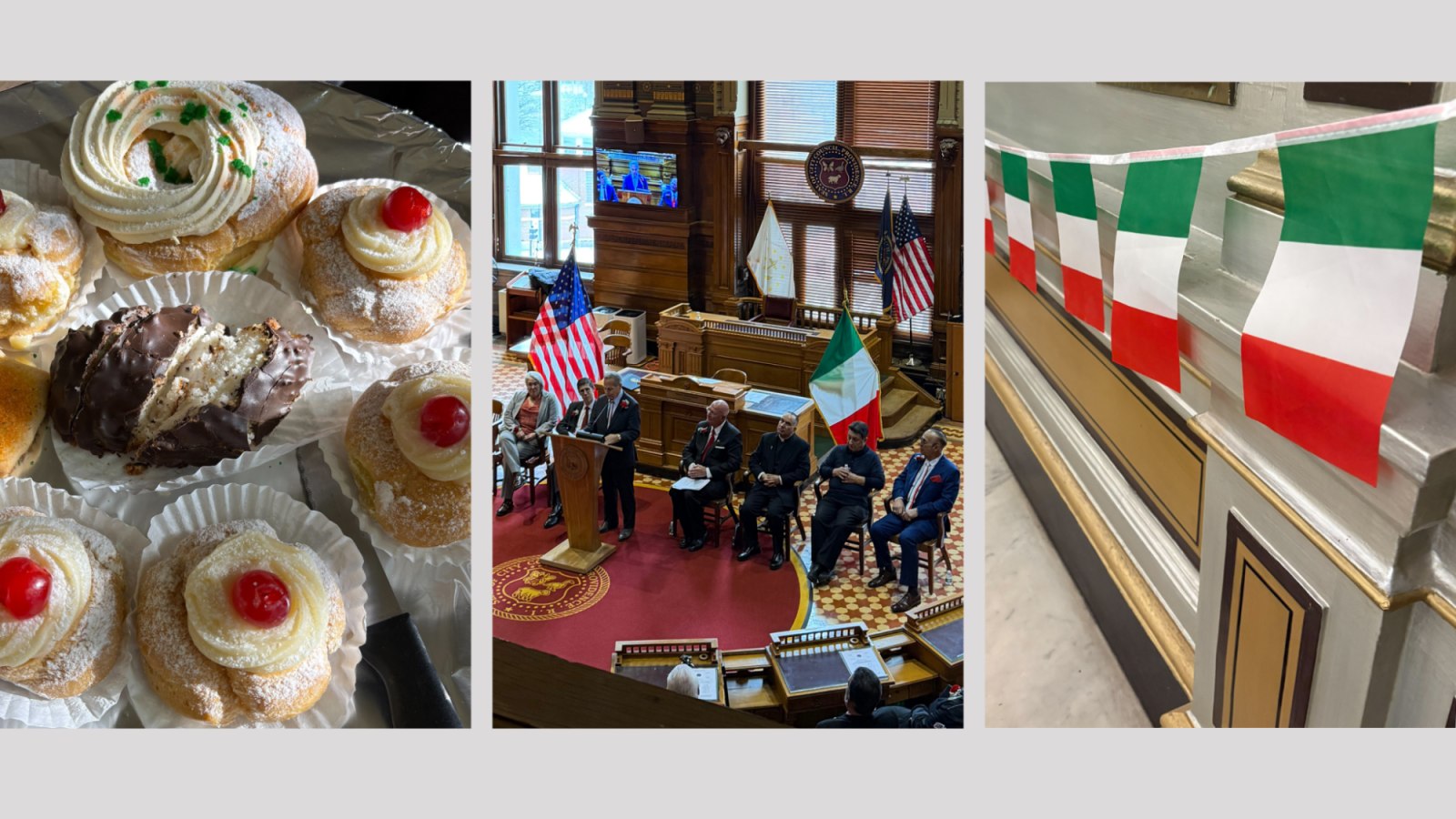
Cada año, el 19 de marzo, ocurre algo en todo Rhode Island. Las panaderías se llenan; se forman colas desde Federal Hill hasta el centro de Westerly. Vecinos que no se han visto desde Navidad se encuentran por casualidad en la acera. El aire huele a azúcar glas.
Acuden miles de personas, no porque nadie les obligue, sino porque es el día de San José, y esto es lo que se hace. Hay algo casi obstinado en ello, como si la comunidad se reafirmara a sí misma, negándose a dejar que la tradición se desvanezca. Lo que representa es el valor de estar juntos. De decir: pertenecemos a este lugar y nos pertenecemos los unos a los otros.
He estado pensando en por qué eso importa. No solo como tradición cultural, sino como tradición cívica.
La historia detrás de la fiesta se remonta a la Sicilia medieval. Una devastadora sequía dejó a la gente hambrienta y desesperada. La comunidad rezó a San José para que intercediera, y cuando por fin llegaron las lluvias, lo celebraron haciendo algo concreto: colocaron largas mesas en las calles y dieron de comer a todo el mundo, especialmente a los más necesitados. Nadie comió solo.
Esa tradición cruzó el Atlántico con las familias que comenzaron a llegar al «Estado del Océano» a finales del siglo XIX, estableciéndose en Federal Hill y construyendo sus vidas en una ciudad que no siempre se lo puso fácil. Trabajaban en las fábricas, en las joyerías, en la construcción. Y lo que hicieron al llegar aquí no fue solo sobrevivir. Se organizaron. Fundaron iglesias que se convirtieron en el centro de la vida del barrio. Crearon sociedades de ayuda mutua para cuidar de los enfermos y los más desfavorecidos. Establecieron casas de acogida para ofrecer formación laboral y servicios a los recién llegados.
En otras palabras, construyeron una comunidad. No esperaron a que otros lo hicieran, sino que decidieron, colectivamente, que eran responsables los unos de los otros.
Y ese instinto de estar juntos, en público, por elección propia, es en sí mismo una idea profundamente italiana. Incluso hay una palabra para ello. La piazza: la plaza pública. La plaza DePasquale es un buen ejemplo. Si vas allí en una tarde cálida, la gente simplemente está ahí. Sentada, hablando, comiendo. Eso no es una casualidad de la planificación urbana. Es un valor cultural hecho realidad. La idea de que la plaza pertenece a todos, y que reunirse en ella es en sí misma una forma de comunidad.
Nos vendría bien más de ese instinto ahora mismo.
Las familias que llegaron aquí con muy poco construyeron algo duradero. No solo para ellas mismas, sino para toda la ciudad y el estado. Lo que construyeron no fue solo material. Fue un conjunto de valores: estar presente, cuidar de los vecinos, celebrar juntos y, cuando llega alguien nuevo que necesita una mano, tenderla.
Federal Hill es hoy más diversa de lo que era hace cien años. Los restaurantes de Atwells reflejan cocinas de todo el mundo. Y esa evolución tiene sentido, porque la tradición que los italoamericanos establecieron aquí nunca se basó en la exclusividad. Se basaba en la comunidad. Se trataba de dar la bienvenida a la gente a la mesa. La mesa simplemente se ha hecho más grande. Y creo que eso es algo que todo el mundo puede reconocer, porque muchas de nuestras comunidades tienen su propia versión de esa historia. Comidas diferentes, fiestas diferentes, idiomas diferentes, pero el mismo instinto de reunirse, de compartir, de cuidarnos unos a otros.
En mi puesto actual en la Fundación de Rhode Island, veo esto todos los días. Las organizaciones y comunidades a las que apoyamos en todo el estado están haciendo exactamente lo que hacían aquellas primeras familias de Federal Hill: construir el tejido conectivo que mantiene unidos los lugares. Esa labor nunca ha sido más importante, y nunca ha estado sometida a tanta presión.
Porque nos encontramos en un momento en el que los lazos que mantienen unidas a las comunidades se sienten tensos. La gente se siente desconectada. La confianza pública es difícil de conseguir.
Y cuando pienso en lo que la cultura italoamericana tiene que ofrecer en un momento como este, siempre vuelvo a lo mismo. Sentémonos a la mesa. Reunámonos en público. Conozcamos a nuestros vecinos. Entendamos que cuidar de las personas que nos rodean no es solo algo bonito que hacer, es lo que se necesita. No son ideales abstractos. Son hábitos.
Así que, feliz día de San José. Recordemos que una fiesta no es realmente una fiesta a menos que alguien que tiene hambre sea alimentado, y que una comunidad es tan fuerte como las conexiones entre sus miembros. ¡Bouna Festa!
Compartir este artículo