Civic Leadership
Community foundations gather to share how they’re strengthening civic health
The Rhode Island Foundation is working with partners nationwide to help community foundations rebuild trust and connection close to home.
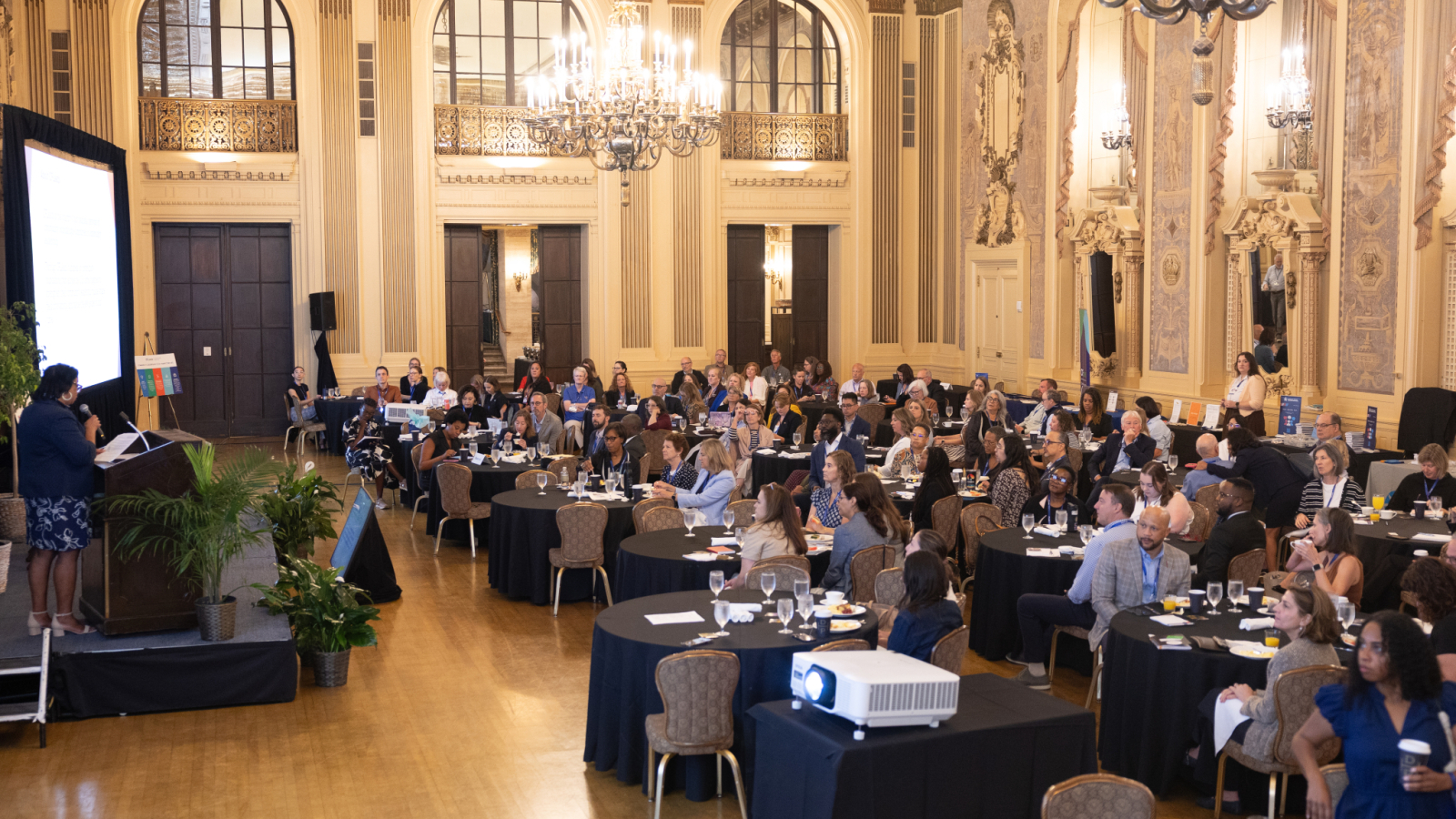
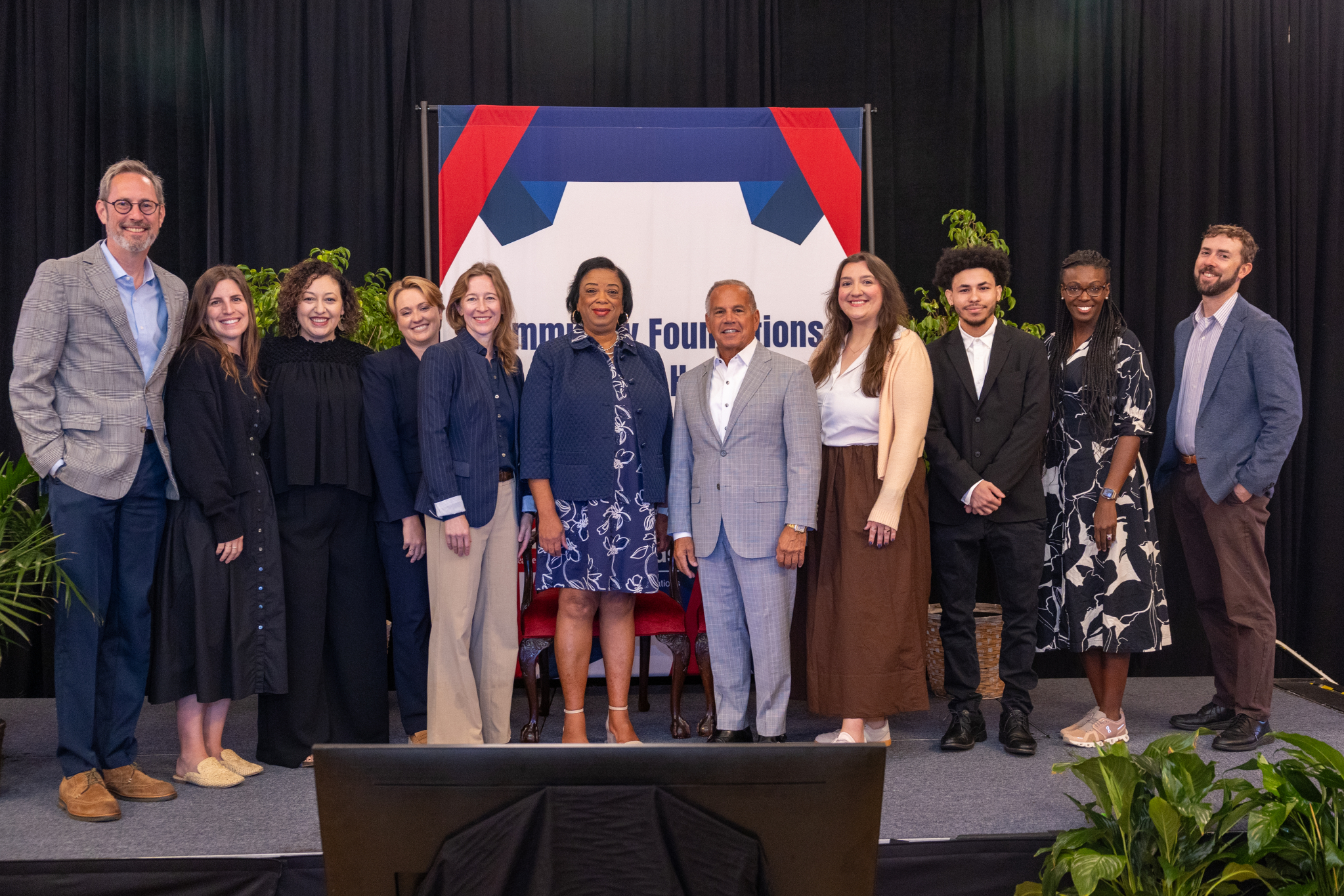
Across the country, people are feeling more divided, more isolated, and less confident in the institutions meant to serve them. In September, community foundation leaders, national funders, and civic health professionals gathered in Wilmington, Delaware, for the Community Foundations for Civic Health (CFCH) Summit to share what they’ve learned from their own communities and explore how to rebuild trust and connection.
The summit is the second annual gathering of CFCH, an initiative launched in early 2025 by CFLeads, a national network that advances community foundation leadership, in partnership with the Rhode Island Foundation and the National Civic League.
What is civic health?
CFCH defines civic health as the strength of relationships among individuals, between people and institutions, and between residents and the places they live. When those relationships fray, it becomes harder for communities to solve problems. When they’re strong, communities are better equipped to weather hard times, respond to crises, and work together on long-standing challenges.
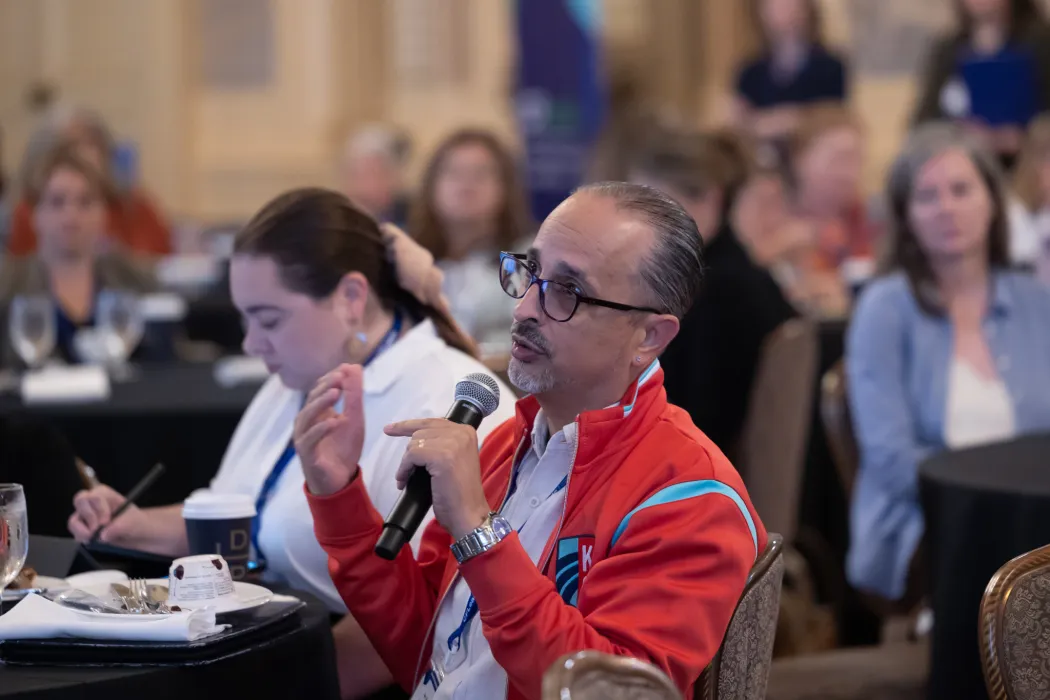
Why community foundations? Trust, the power to convene, and the long view.
Rooted in the places they serve and trusted by donors, nonprofits, and local leaders, community foundations are well positioned to strengthen those relationships by bringing together people who might not otherwise work side by side. And because their endowments are built to last, community foundations can make the kind of long-term investments that strengthening civic health requires.
Inside the summit
Much of the CFCH summit came down to one practical question: how does a community foundation actually do this work?
Some foundations create separate grant programs specifically for civic health. The Community Foundation of South Puget Sound in Washington funds small community-led projects that bring people together, with grants averaging about $3,000. It encourages projects such as community murals, youth-led service projects, and storytelling circles that connect neighbors across generational divides and other axes of difference.
Civic health isn't a side project. It's the foundation for progress.
- Rhode Island Foundation President and CEO David Cicilline
The Rhode Island Foundation and others take a more integrated approach, building civic health into their core operations and initiatives, in addition to managing standalone civic health grant portfolios. The Rhode Island Foundation’s Neighborhood Grants program supports resident-led efforts to host neighborhood gatherings, improve green spaces, make public spaces more welcoming, and preserve cultural traditions. Its multi-year Catalyst Grants funds projects like Generation Citizen’s work to improve civics education across the state, so more young people are prepared to take part in civic life. And through Press Forward Rhode Island, a local chapter of the national Press Forward initiative to strengthen local news, the Foundation is working to ensure residents have access to accurate, reliable information.
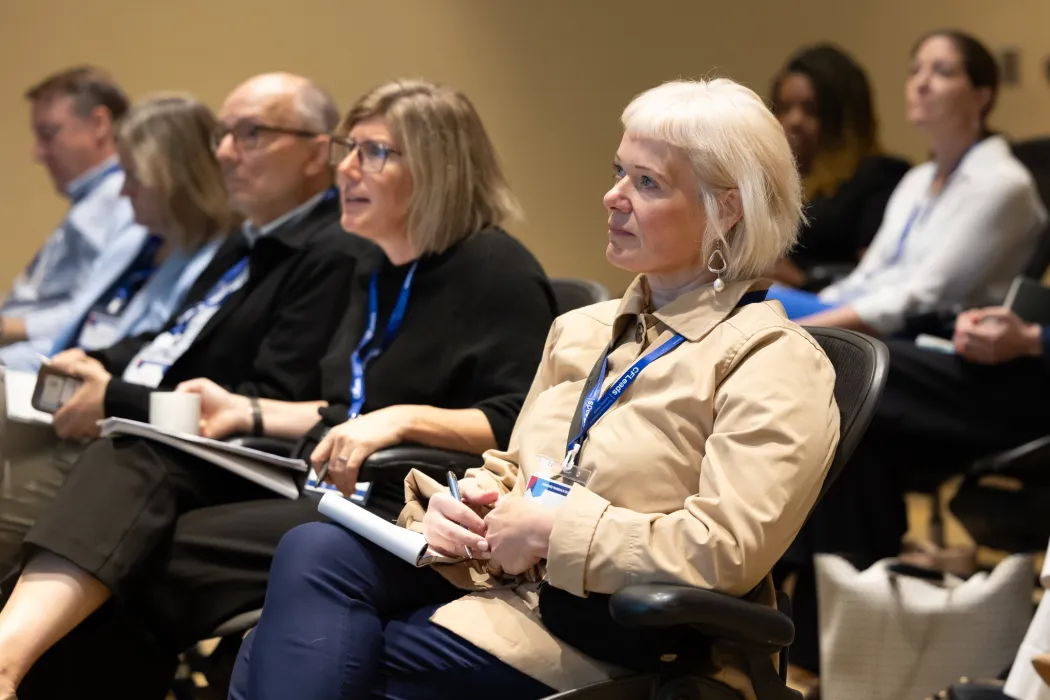
Summit presenters demonstrated how civic health affects people’s everyday lives. In rural Minnesota, when a local pharmacy closed, modest funding helped people across the region work together so residents could still get their prescriptions. In San Marcos, Texas, the public library added a science and technology learning space with a job training focus while keeping quiet corners for reading.
Other sessions focused on the practical side of the work: partnering with local government, choosing the right partners, and gathering input from residents in ways that respect and benefit them, rather than simply collecting data.
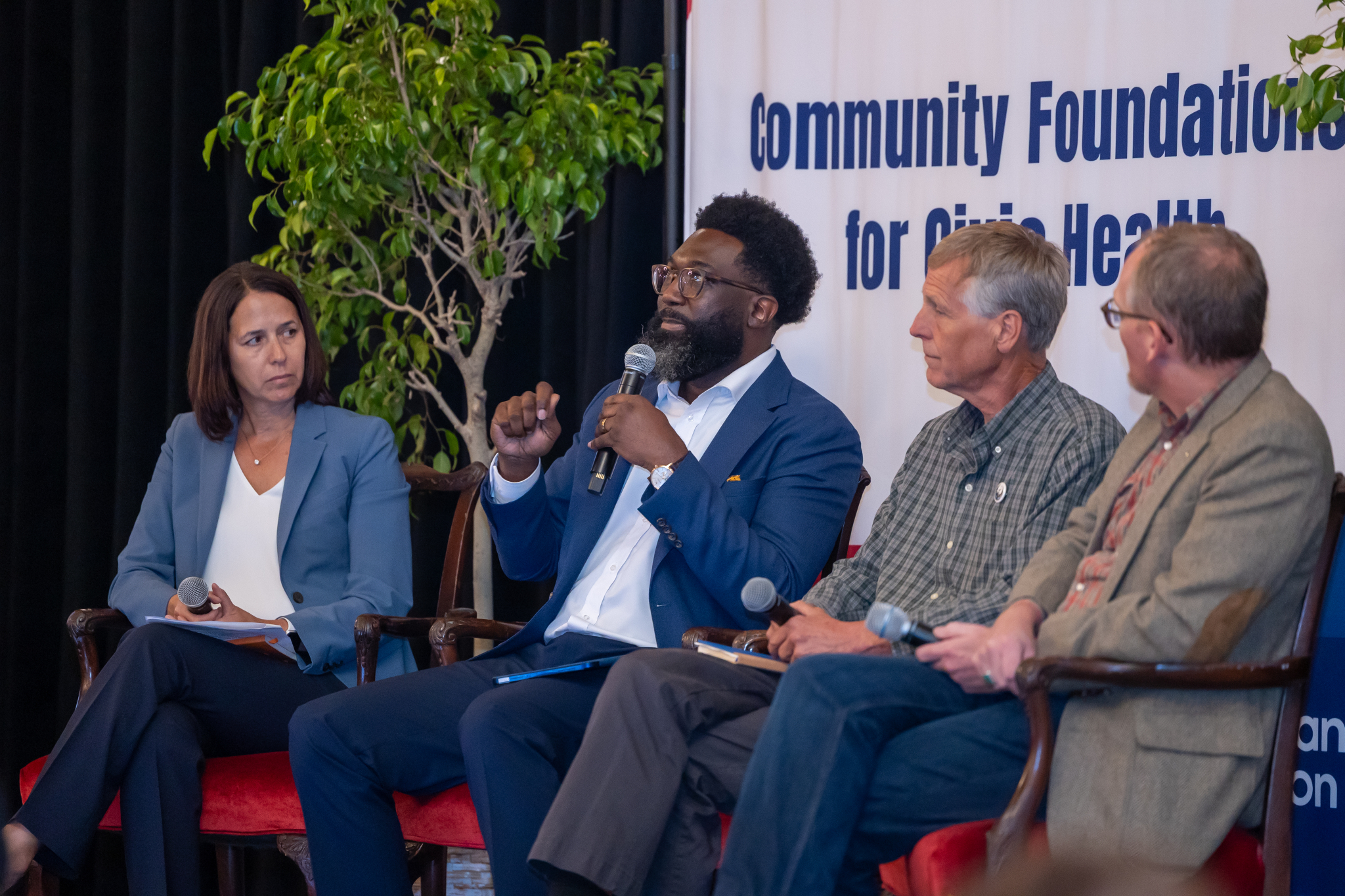
The summit’s final day opened with a panel of program officers from the Charles Stewart Mott Foundation, the William & Flora Hewlett Foundation, and the MacArthur Foundation, three early funders of CFCH. The conversation gave these national funders and community foundations an opportunity to learn about one another’s priorities and challenges.
The Rhode Island Foundation’s role
The Rhode Island Foundation's leading role in the national conversation about civic health reflects its longstanding commitments at home. Its Five-Year Action Plan makes civic engagement a pillar of its Civic and Cultural Life priority. The Foundation also partnered with the National Civic League to create the Action Guide for Improving Civic Health in Rhode Island, a set of tools and strategies Rhode Islanders can use to strengthen civic life where they live. The Foundation’s Civic and Cultural Life Learning and Impact Brief shows how that work is taking shape across the state.
“So many of the challenges we care about, from affordable housing to public education to health care, depend on people trusting one another and believing they can make a difference together,” said Rhode Island Foundation President and CEO David Cicilline. “Civic health isn’t a side project. It’s the foundation for progress.”
To support civic health and engagement in Rhode Island, consider a gift to the Fund for Civic and Cultural Life.
Share this article