Grants & Scholarships
Small Choices, Big Impact: How RI students are leading the fight against food waste
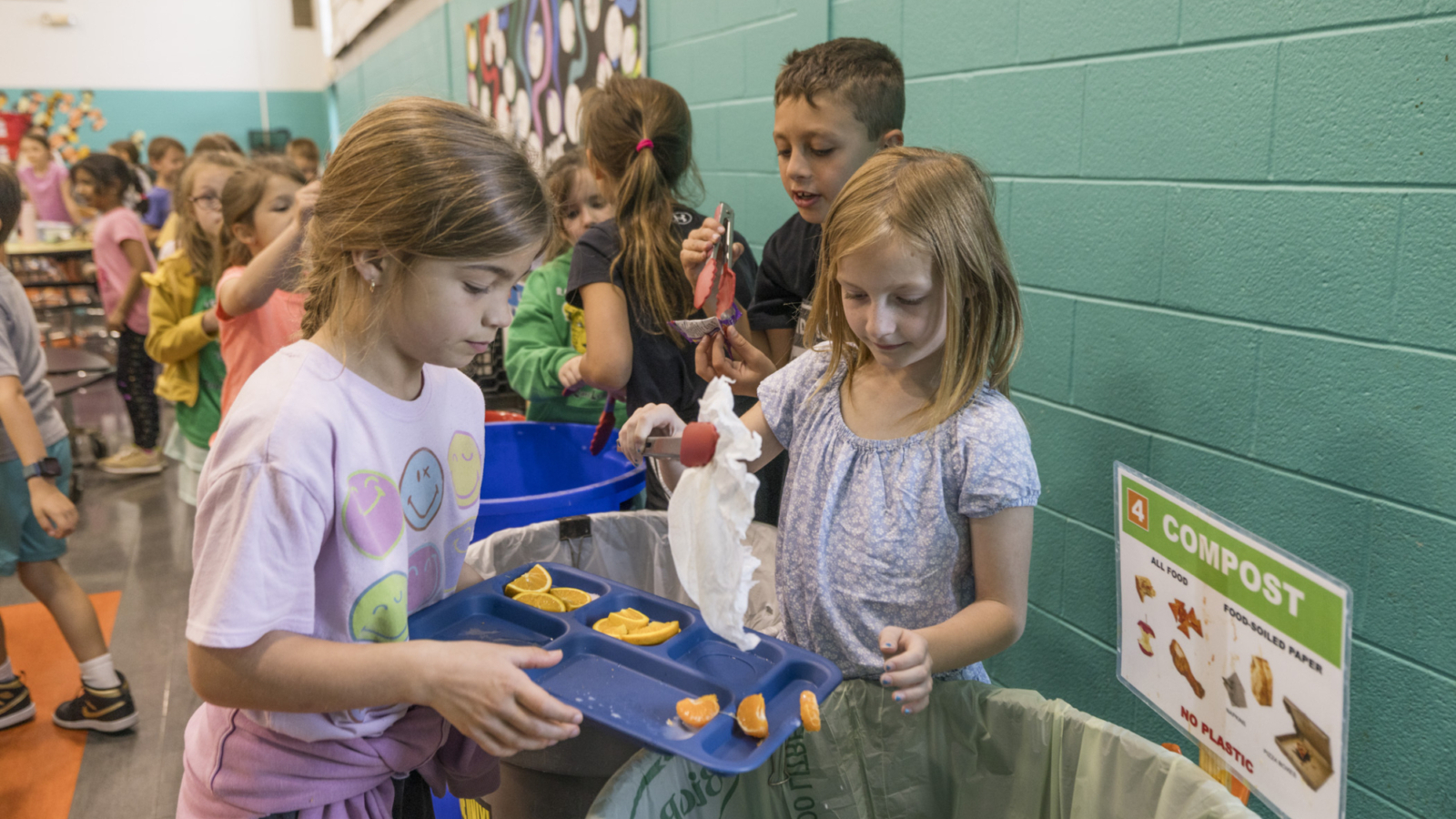
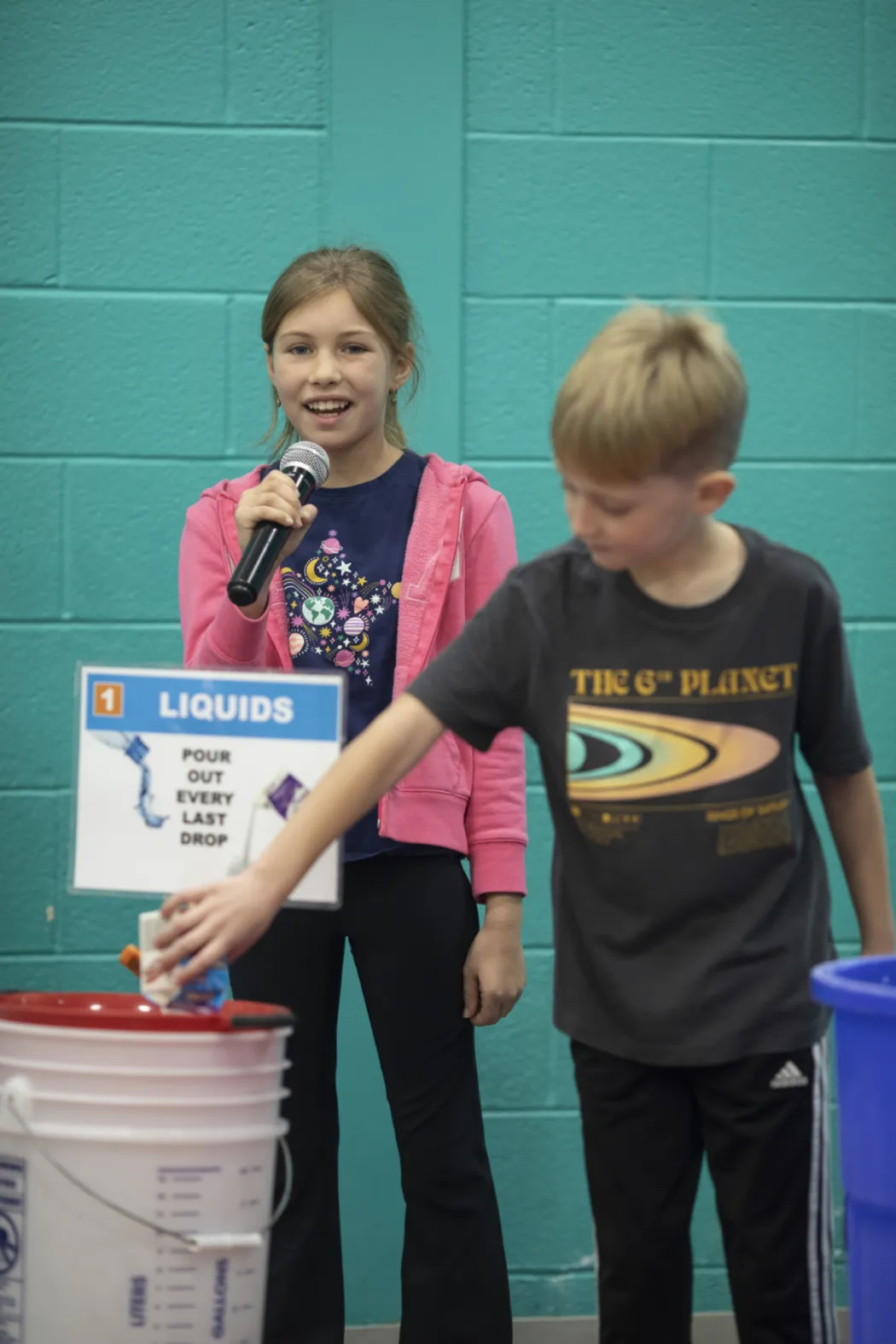
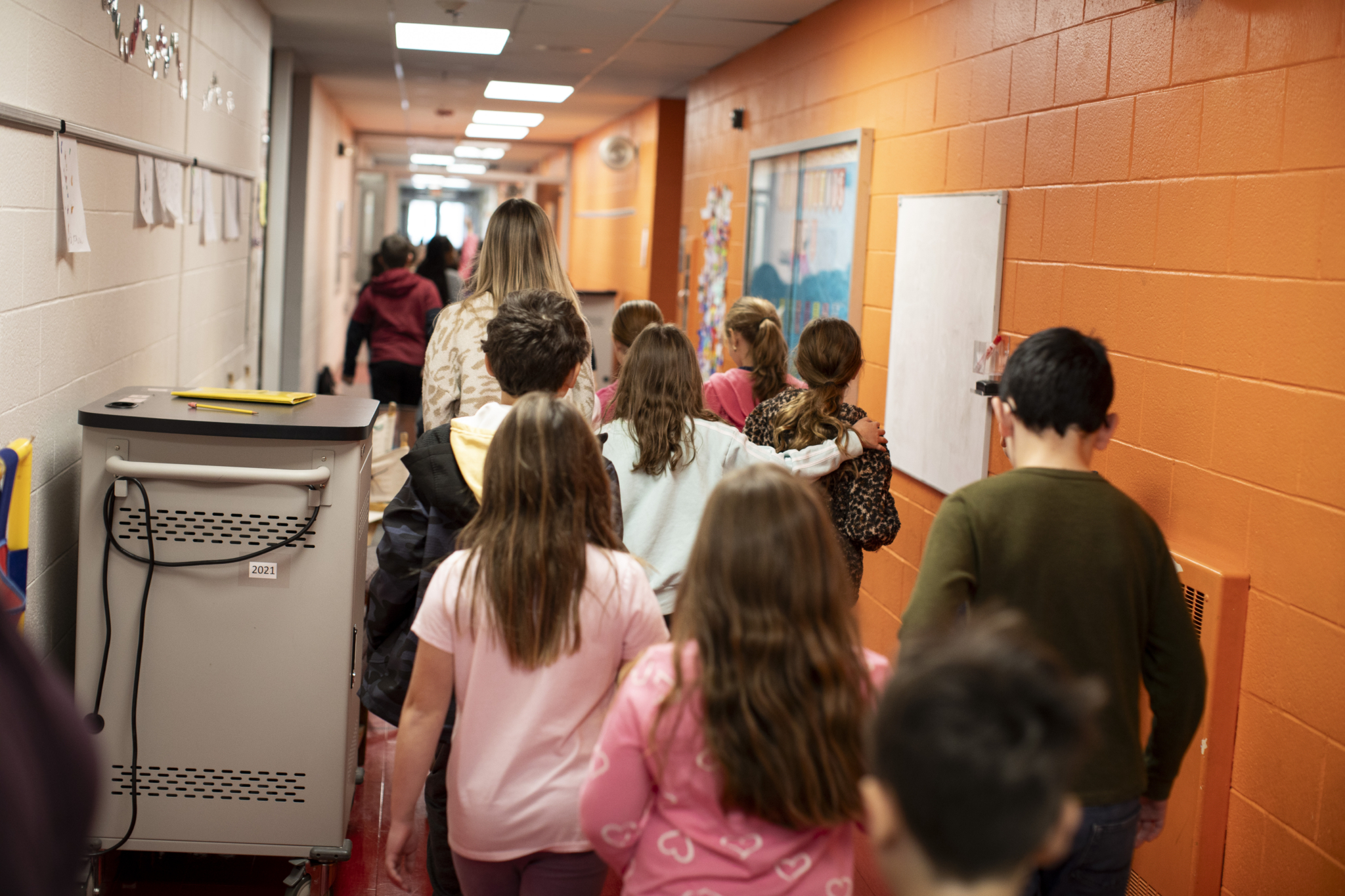
When students at Smithfield's Raymond LaPerche Elementary finish lunch, they don't simply toss their leftovers into the trash. Instead, they carefully sort food scraps for compost, place unopened milk, yogurt, cheese sticks, fruits, vegetables, and other perfectly good food items on a share table, and separate recyclables - all under the guidance of ‘Cafeteria Rangers,’ student leaders who oversee the daily process. This everyday cafeteria routine represents part of a growing movement across Rhode Island schools to tackle one of the state's most pressing environmental challenges: food waste.
The Rhode Island School Recycling Project (RISRP), first launched in 2001, is leading the charge with an ambitious mission: by 2030, every public school in Rhode Island will compost food scraps, recover edible food for redistribution, and reduce food waste by 50 percent – a goal that aligns with those of the US Department of Agriculture (USDA) and the US Environmental Protection Agency (EPA).
As the Project’s co-founder Jim Corwin puts it, “We're turning cafeterias into classrooms—every tray, every choice is a lesson in sustainability."
The numbers are startling. In 2019, RISRP conducted an audit of three school districts - including elementary, middle, and high schools in urban, suburban and rural settings – and found that Rhode Island schools discard 13.8 tons of food every week, amounting to 2,500 tons per school year. Even more troubling, 388 tons of that food is unopened and completely safe to eat: whole fruit, granola bars, yogurt, cheese sticks, and milk tossed into the trash. Statewide, this translates to 27,777 pounds wasted on a typical school day, with 4,000 pounds of good, unopened food discarded. Over the course of a school year, five million pounds of food are thrown away, while more than 776,000 pounds could go to Rhode Islanders facing hunger.
According to the Rhode Island Community Food Bank's 2024 Status Report on Hunger, 38 percent of the state’s households experienced food insecurity in 2024, a significant increase since 2021. Communities of color face even higher rates. Rising costs of living, increased rent and utilities, and higher food prices have left families struggling to afford enough food.
Also serious are the environmental and health implications of food waste. Most discarded food ends up in Johnston's Central Landfill, which is nearing capacity. Additionally, as food decomposes, it produces methane—a potent greenhouse gas more powerful than carbon dioxide that accelerates climate change, contributing to more extreme weather events, rising sea levels, and threats to wildlife and natural habitats.
RISRP's approach to these critical issues is hands-on and student driven. Each school participating in the nonprofit’s Get Food Smart initiative receives educational materials, a share fridge, containers, and composting supplies. The real magic happens when students take ownership of the process, sorting liquids, recyclables, compost, and share-table items. Together, they learn healthy food handling practices, participate in waste audits, and even visit the landfill to witness the environmental impact firsthand.
Julie Dorsey, LaPerche Elementary’s principal and president of RISRP's board, and Steve Burger, the school’s daytime custodian, share the program’s effects on students.
“The Cafeteria Ranger program has great educational impact,” Dorsey explains. “We have a garden outside…they [the students] are in the garden growing things and see some of that getting wasted. We also take the second and fourth graders to the Resource Recovery Center so they can see the true impact when the food ends up in the landfill, rather than being composted. All of that has made a significant difference for them.”
"The kids have done a fantastic job. Recycling at the school level is very important. You have to start when you’re young and carry on into adulthood. Unfortunately, we are running out of space in the landfill, and we have to help out the best we can,” adds Burger.
"The kids have done a fantastic job. Recycling at the school level is very important. You have to start when you’re young and carry on into adulthood. Unfortunately, we are running out of space in the landfill, and we have to help out the best we can,”
- Steve Burger, Custodian, Raymond LaPerche Elementary School
Teachers also integrate sustainability into everyday lessons, so students learn by doing—sorting, composting, and tracking data. Composting closes the loop, turning scraps into rich soil for gardens. Beyond education, the program provides financial benefits, reducing dumpster use and landfill fees.
In 2024, the Rhode Island Foundation awarded a $10,000 capacity-building grant to RISRP to strengthen program sustainability. Most recently, in 2025, a collaborative effort brought $750,000 in support to RISRP. The Foundation contributed $500,000, including $250,000 through its Catalyst Grant program, with a portion of the Foundation's contribution funded by a grant from the EverHope Foundation. 11th Hour Racing, a Newport-based organization dedicated to addressing the climate crisis and protecting ocean health, added $250,000. Together, these investments underscore Rhode Island’s commitment to tackling food waste and climate challenges.
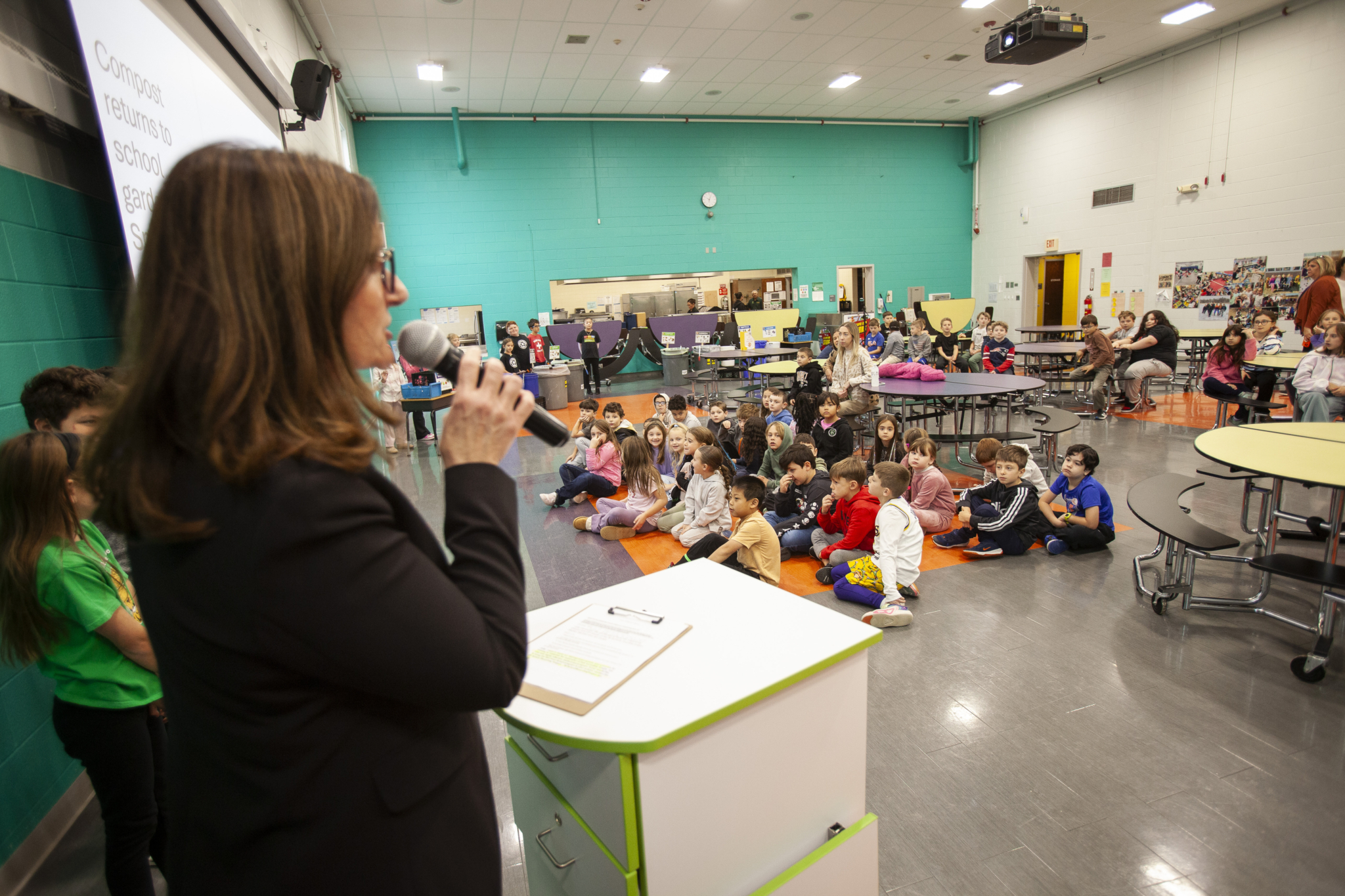
“Before receiving the Foundation's funding, our focus was on implementation with less attention paid to helping schools maintain the program long-term," explains Warren Heyman, RISRP's organizing director. "With this support, we've developed hands-on activities to keep students engaged—composting for school gardens, building raised garden beds, helping students plant pollinators, flowers, and vegetables. We're connecting students with the environmental benefits of their actions."
Since the 2021 launch of its Get Food Smart program, RISRP has grown from four schools, including LaPerche, to 63, with plans to reach half of Rhode Island's schools by 2027, and all the state’s public schools by 2030.
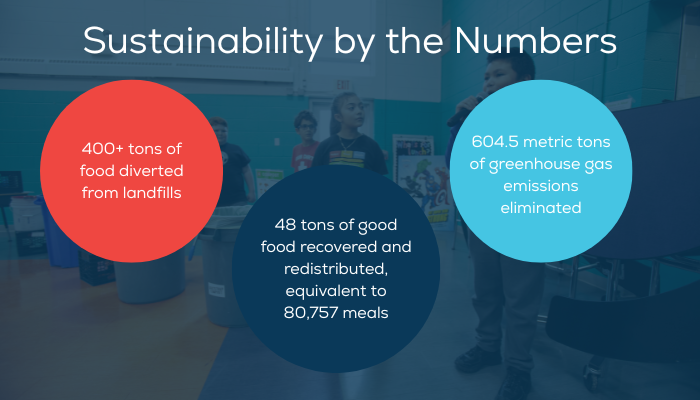
To date, the organization has achieved some remarkable milestones: more than 400 tons of food waste diverted from landfills and turned into compost to enrich soil health, 48 tons of food recovered and redistributed, and a 22 percent reduction in food waste per student compared to 2019. According to food rescue organization Rescuing Leftover Cuisine, the amount of food recovered equals over 80,000 meals, critical for a state where nearly two out of every five households face food insecurity. These efforts have also prevented 604.5 metric tons of greenhouse gas emissions - equivalent to removing 141 gasoline-powered vehicles from the road for a year.
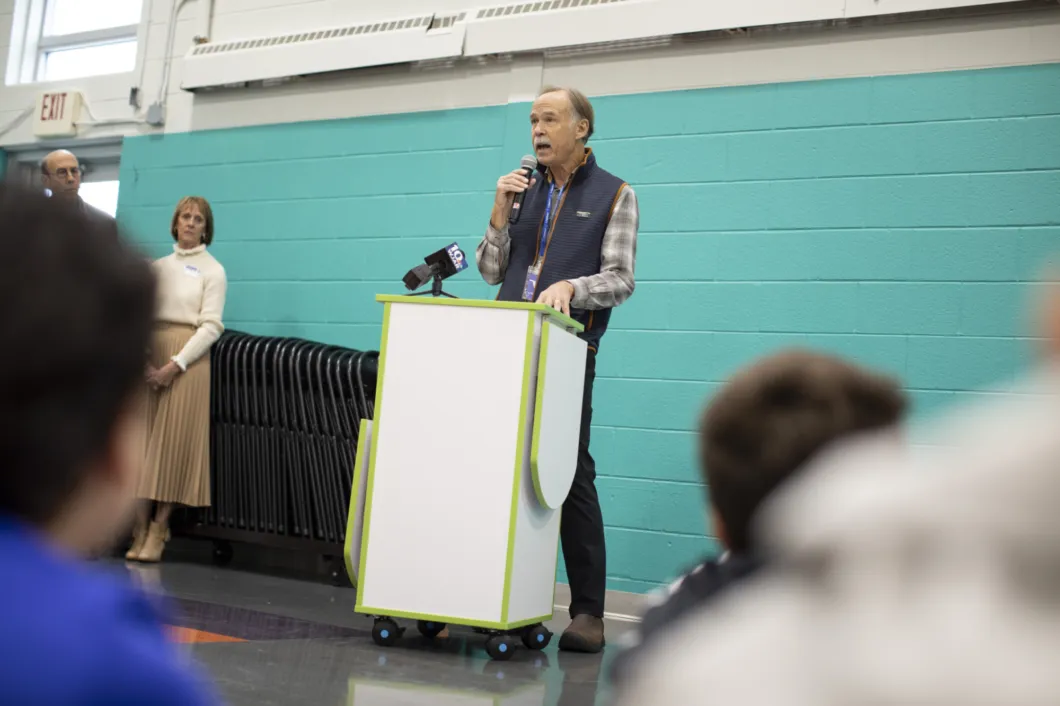
Corwin also emphasizes an important distinction in addressing food waste: "Some people think that if you're diverting your food waste away from the landfill for composting, you're reducing food waste. You're not. That's much more difficult. It's about preventing it from happening in the first place." This philosophy drives RISRP's three-pronged approach: reduce waste at the source, recover edible, healthy food for those experiencing food insecurity, and recycle what remains through composting.
And the program’s influence extends beyond the cafeteria and the present moment. Students carry these habits home, inspiring their families to start composting and rethinking food waste. “Our kids are going to be the adults of tomorrow,” says Dorsey. “They’re going to care about climate change, and they’re going to put things in place in their own lives. It starts at this level.”
As RISRP works toward its 2030 goal of reaching all Rhode Island public schools, the organization continues developing new ways to keep the program engaging. Food waste audits, compost awareness weeks, zero waste days, and field trips help to ensure students remain connected to the environmental impact of their daily choices. As climate challenges intensify, this innovative school-driven initiative offers practical, attainable solutions – and hope. Through education and empowerment, Rhode Island’s students are proving that small choices today are contributing to a more sustainable tomorrow.
"Educating kids at an elementary level is important because they are the future," says Heyman. "These young people are taking to heart what they learn about recycling and composting…and hopefully, they are going to help us save the planet."
To hear more from Jim Corwin, co-founder of the Rhode Island School Recycling Project, tune in to Together RI, the Rhode Island Foundation podcast, featuring thoughtful conversations and insights into the power of giving and collective action.
Share this article