Grants & Scholarships
'I will do what is needed to achieve this goal.'
Lesbia Sanjel served as Director of Nursing at a health center in Guatemala for several years, but after relocating to Rhode Island as crime escalated in her community, her medical expertise went untapped. "I will do what is needed to achieve this goal," she says of returning to practice.
She's not alone. Loida Carvajal spent years as a nurse in Venezuela, working in emergency rooms and intensive care. In the United States, she found herself cleaning food trucks and housekeeping in hospitals.
These stories of "brain waste," a growing national trend of highly skilled professionals unable to work in their fields, are all too common. Many internationally educated professionals remain unemployed or underemployed, 40 percent without work entirely, another 45 percent in factories, food service, or retail, despite holding advanced credentials that took years of study and training.
In Rhode Island, a nursing degree from Guatemala doesn't automatically translate to a Rhode Island license. Foreign-trained professionals face steep barriers. State licensing boards typically require additional U.S.-based training and exams, even for those with years of experience. Credential evaluation is costly and time-consuming, while English proficiency standards can be prohibitively high. Federal visa requirements add another layer of complexity, and the licensure process can stretch from several months to even years. These challenges frequently prevent qualified professionals from contributing to critical workforce needs.
The Rhode Island Welcome Back Center, housed within the Rhode Island Department of Health, exists to change this reality. This initiative assists internationally educated professionals in obtaining the licensure, certification, language skills, and professional development they need to find employment in their fields. In 2024, 37 adults from ten countries, including 16 physicians, 11 nurses, three psychologists and a nutritionist, benefited from its work. The center currently provides resources for more than 400 professionals statewide.
"When I learned about the RIWBC, I felt so grateful, excited. It has English classes especially for health professions and since I joined them, I have improved so much."
- Loida Carvajal
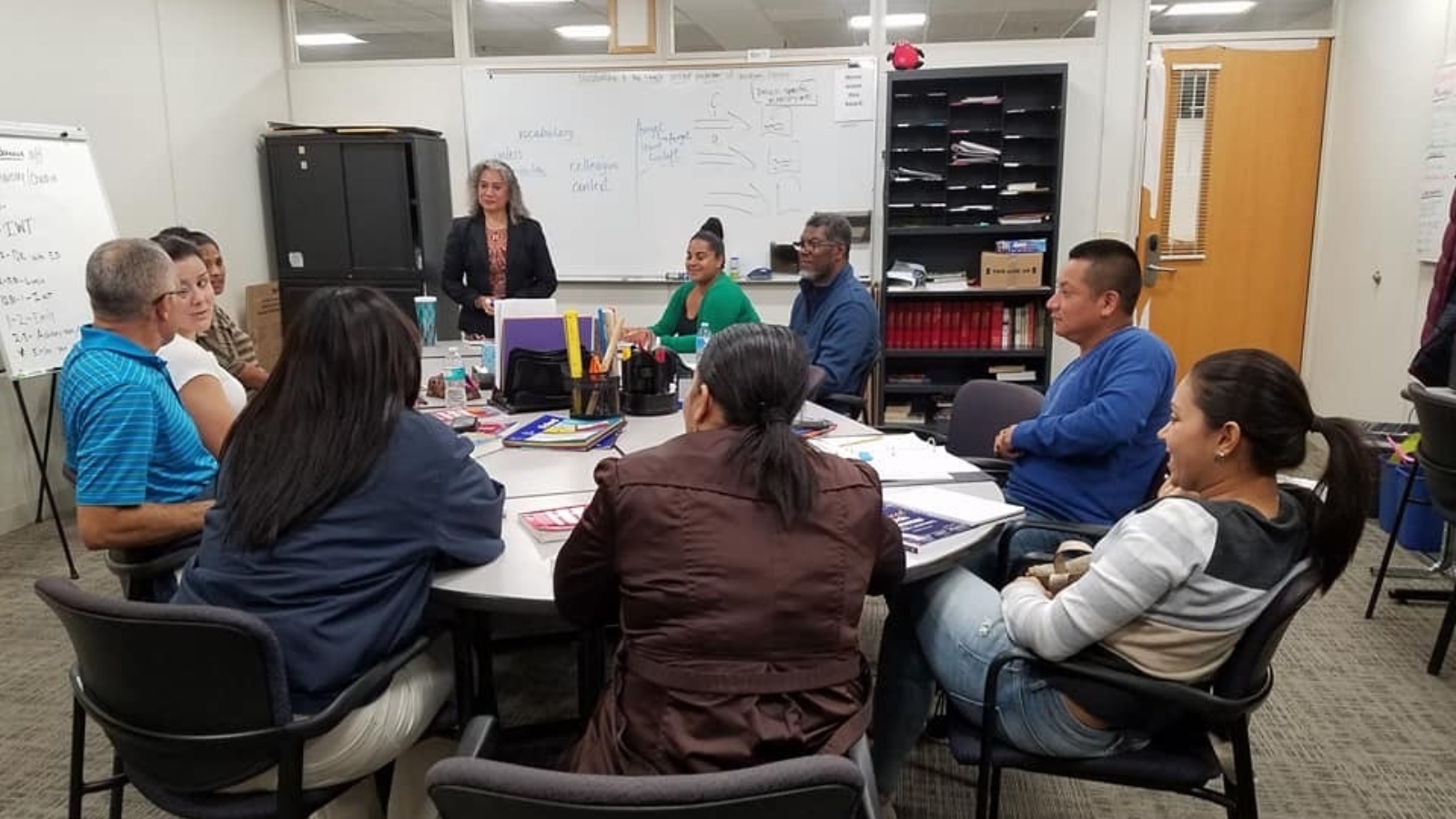
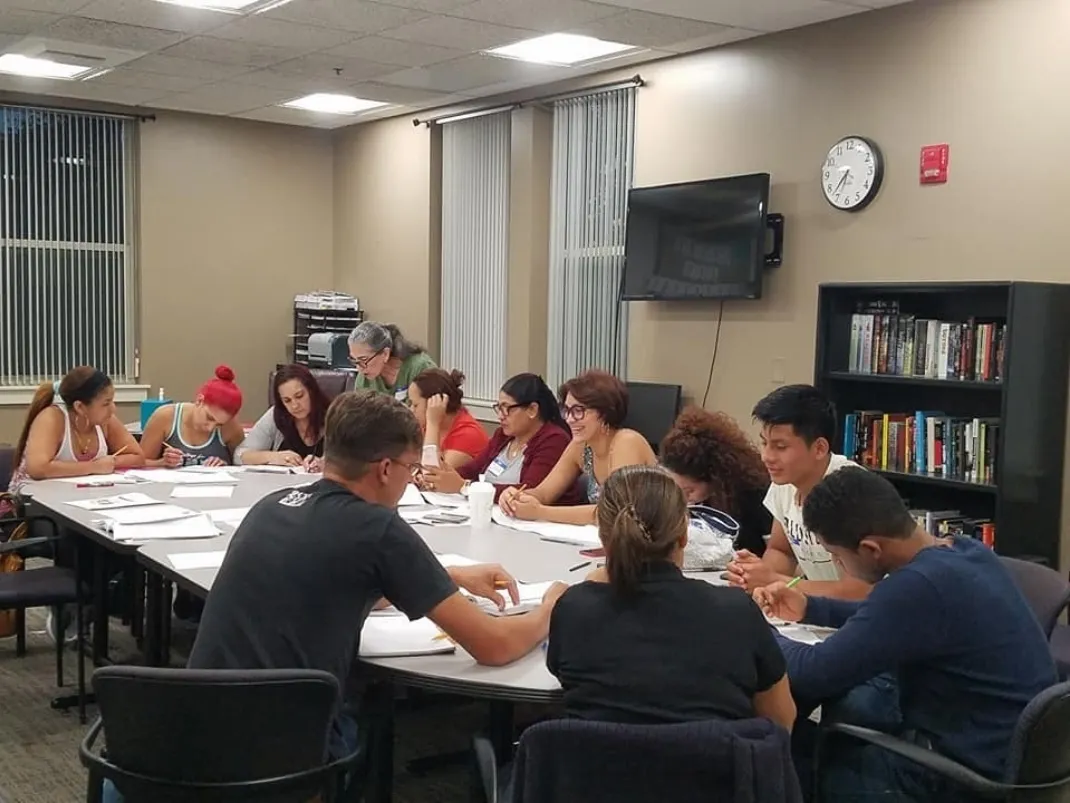
The path back to practice varies for each person. Some need English language classes tailored to medical terminology. Others need help navigating the maze of credential evaluation. Still others need financial assistance for certification tests that can cost thousands of dollars. The center provides all of this—English language classes tailored to professions, help with credential evaluation from home countries, exam preparation and study support, as well as financial assistance for certification tests and courses. The center also provides resume building, career guidance, and one-on-one advocacy to help navigate complex licensing systems.
"When I learned about the RIWBC, I felt so grateful, excited," writes Loida in recent testimony. "It has English classes especially for health professions and since I joined them, I have improved so much. They also paid for the process for me to have my nursing credentials evaluated so I can become licensed."
Lesbia shared similar feelings: "I am very grateful for the opportunity the RIWBC has given me to improve my English.”
In 2007, a group of Latino foreign-trained professionals came together to address the lack of structured services for internationally educated workers. Using the nationwide Welcome Back Center network as a model, they launched Rhode Island's center in 2008. What began as a grassroots adult education initiative housed at Dorcas Place has evolved into a formally recognized organization partnering with state agencies. Today, RIWBC is one of 12 Welcome Back Centers nationwide.
The Rhode Island Foundation has been a cornerstone supporter of RIWBC's efforts, providing nearly $275,000 in grant funding since 2011. This past year, the Foundation awarded a $75,000 community priority grant to advance this critical initiative.
"Advocacy is a big part of what we do. Working from the inside out now makes a difference. Conversations are happening, and people are paying attention."
- Manuela Raposo, founder and president of the Rhode Island Welcome Back Center
Manuela Raposo, founder and president of RIWBC, and Rachael Sardinha, program manager at the Rhode Island Department of Health, also continue to pursue additional grants and funding opportunities to support their work.
"With our current budget, we're doing what we need to do, but the problem is sustainability," Raposo said, while expressing appreciation for the Foundation's funding. Regarding changes in Washington, she reports that "unfortunately, given the political climate on a federal level, our funding has been greatly compromised; however, we have made adjustments to staffing in order to ensure the work continues.”
The center doesn't just help individuals navigate existing systems—it works to change those systems. Each regulatory change means one less barrier between qualified professionals and the patients who need them. The center's advocacy efforts are focused on regulatory reform, including developing recommendations to change Rhode Island licensing regulations for foreign-trained dentists modeled after a similar initiative in Massachusetts, submitting recommendations to get foreign-trained physicians into the workforce more quickly, and working with the Rhode Island Board of Nursing to revise statutory language around English proficiency requirements.
"Advocacy is a big part of what we do," Raposo said. "Working from the inside out now makes a difference. Conversations are happening, and people are paying attention."
RIWBC's partnership with the Rhode Island Department of Health is driving measurable outcomes and accelerating systemic change. Sardinha observed that the collaboration allows them to work one-on-one with participants while taking steps to advocate for policy changes that will improve the process. The center maintains an advisory council with two active subcommittees focused on policy advocacy and experiential learning pathways.
"Legislature gets involved, but it is the Department of Health that determines licensing and regulations," Sardinha said. "That's why it's good that we're working with RIWBC."
As Rhode Island faces growing gaps in primary care, nursing, and behavioral health—areas where internationally educated professionals can make an immediate impact—credentialing them is both a strategic and economic advantage. By streamlining pathways to licensure and recognizing international qualifications, the state can tap into this highly skilled talent pool at a time of critical workforce shortages.
Reducing these barriers helps to fill essential roles, improve patient care outcomes, and strengthens the state's ability to meet community needs. It also prevents "brain waste," boosts tax revenue, and eases reliance on costly temporary staffing. In short, assisting these professionals with obtaining licensure and certification is both an economic and public health imperative.
RIWBC's work is strengthened by partnerships with organizations across Rhode Island, including Brown University Health, Care New England, Community College of Rhode Island, Rhode Island College, Clínica Esperanza, Thundermist Health Center, Progreso Latino, Family Services of Rhode Island, the Center for Southeast Asians, and Tides Family Services.
"We're working within a large network of organizations trying to bring about change, to make the healthcare field more inclusive of foreign-trained professionals," Raposo said. "We would like to have them stay in Rhode Island. They have roots and families here, so they generally want to stay, but that is not always possible if they can't get a job here."
Share this article