Media release
Nonprofits receive $636,000 in grants to support animal welfare program
Donors have established a number of special funds that relate to the humane treatment and protection of animals. Collectively, these funds enable the Foundation to take a leading role supporting organizations that focus on animal welfare.
Animal welfare organizations across the state are sharing $636,000 in grants through the Program for Animal Welfare (PAW) at the Rhode Island Foundation. The funding will support a range of uses including low-cost vet care for pets in low-income households, preparing animals for adoption and school education programs.
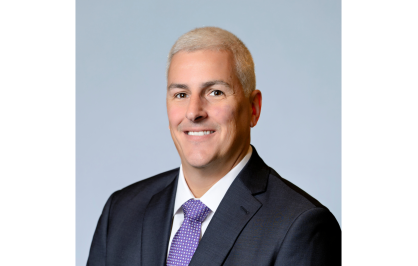
“The delight that pets bring to our lives carries over into our own health and well-being. Keeping pets healthy and preparing animals for adoption are just more ways the Foundation supports healthy communities,” said David N. Cicilline, the Foundation’s president and CEO.
PAW funds organizations that promote and provide humane treatment of animals or work more generally on the welfare of animals. Grants are for projects or programs that have a positive impact locally or statewide on animal care, education about the humane treatment of animals and animal welfare in general.
“We could not offer this help without the generous support of the donors who establish funds with us for this purpose. Their generosity – together with the dedication of our community partners– is improving care for animals and the lives of their families," said Cicilline.
The largest grant went to the Potter League for Animals, which received $72,000 for work including subsidizing veterinary care at its Animal Care and Adoption Center in Middletown and surgeries at its Spay and Neuter Clinic in Warwick.
"We are one of Rhode Island's leading animal resource centers. We provide crucial veterinary care, shelter and second chances for animals in need. With our comprehensive approach, we not only provide services for animals under our care but also care for their guardians and our community," said Brad Shear, Potter's chief executive officer.
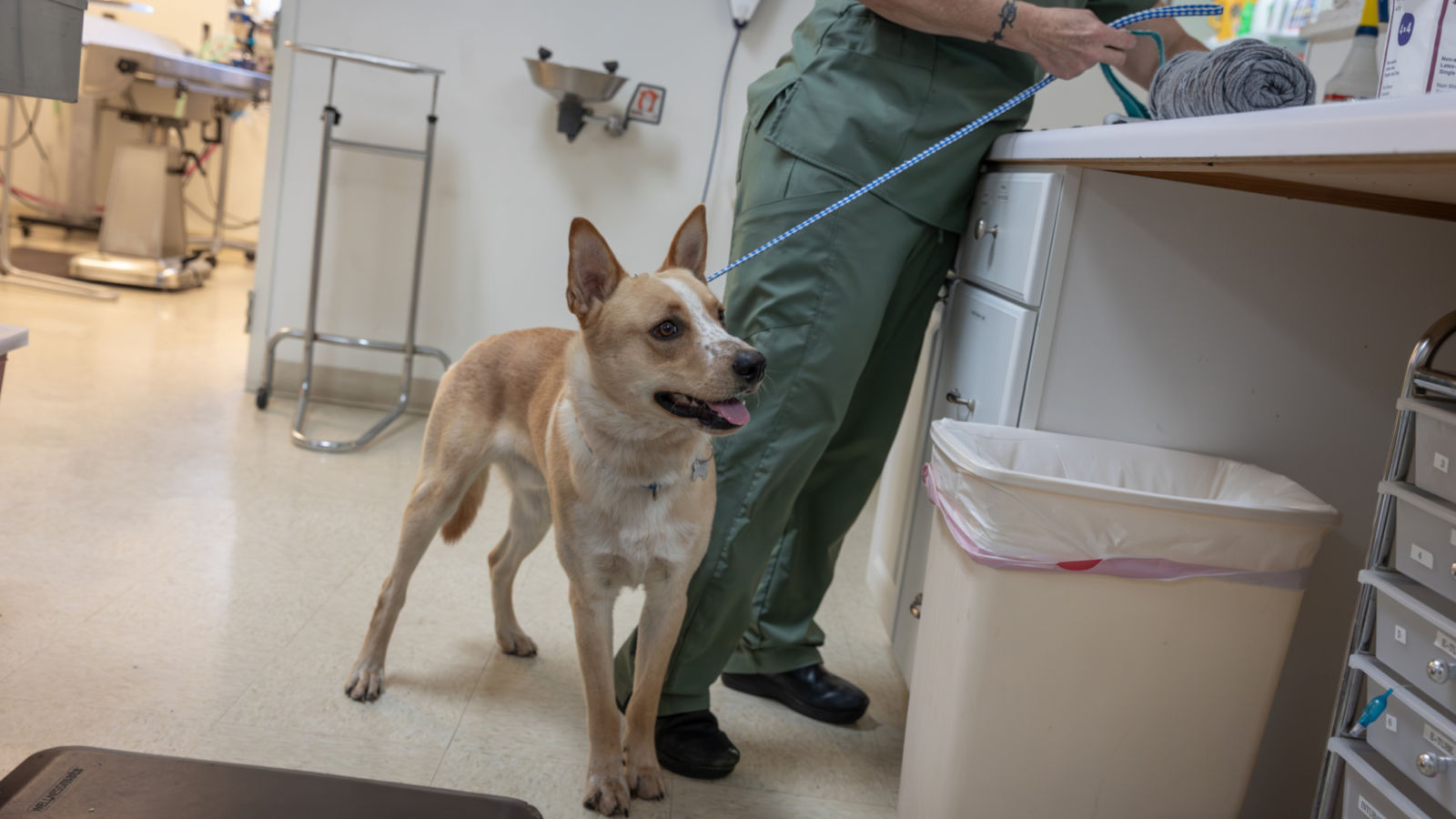
Potter's Veterinary Medical Suite at Potter's Animal Care Center in Middletown will provide fundamental services like spaying, neutering, vaccinations and microchipping as well as essential, specialized surgeries.
"By having in-house veterinary care, we’ve increased intake and shortened the length of stay. We are also seeing more animals coming from across Rhode Island in need of medical intervention. Our veterinarian and team evaluate each animal, devise a care plan, and ultimately have animals adopted sooner,” said Shear.
Potter's Spay and Neuter Clinic will provide low-cost spay/neuter services for pet owners who cannot afford them. The facility estimates it will perform procedures on over 6,500 dogs and cats in the coming year.
“This funding will further reduce the already low cost of spay/neuter services for Rhode Island residents who cannot afford them through private clinics. Given our commitment to tackling companion animal and community pet overpopulation, this program is essential in helping us meet our goals and in enhancing the well-being of our community’s animals,” said Shear.
Animal Rescue Rhode Island (ARRI) in South Kingstown received $56,250, primarily to support its humane education presentations to students across the state.
“Our Animal Scholars programs primarily benefit children in grades K through 8, though we provide programs for Scouts, high school students, and families, and groups at senior centers have requested presentations as well,” said Liz Skrobisch, executive director.
The Audubon Society of R.I. in Smithfield received $5,000 for food and supplies for the animals that participate in its educational programs. The Animal Ambassadors program serves about 30,000 children and adults through programs conducted at its facilities and in schools, libraries and senior centers.
“All of our hawks, owls, ravens, turtles, snakes and frogs are either former pets or are permanently injured wild animals that cannot be released into the wild. Audubon provides these creatures with a 'forever home' and, in turn, the animals help us educate thousands of people annually about the value of wildlife and biodiversity,” said Jeff Hall, executive director.
Foster Parrots in Richmond received $26,000 to provide veterinary care, food and enrichment equipment as well as to support its adoption program, which is the organization’s primary vehicle for providing help to a greater number of parrots.
“The unwanted parrot crisis has reached a saturation point. Because parrots are flighted, long-lived, wild animals with complicated care requirements and natural behaviors that challenge the abilities of human guardians, many unwanted parrots cannot be recycled through adoption programs. Addressing the problem takes a medley of services, including effective adoption programs, permanent sanctuary for unadoptable parrots and strong public education programs that can help reduce the volume of unwanted parrots in circulation,” said Karen Windsor, executive director.
Friends of Animals In Need in North Kingstown received $35,000 for its Veterinary Care Assistance Program, which helps cover the cost of veterinary care for companion animals of low-income owners to help prevent the abandonment, surrender or euthanizing of a pet.
“Our clients come from all walks of life—single parents, seniors on fixed incomes, disabled individuals, active duty service members and members of the working poor—united by their love for their pets and a shared struggle to afford their care. For them, pets are more than just animals—they are family, providing comfort, companionship and emotional support,” said Russ Shabo, executive director.
Friends of Central Falls Animals received $35,000 for its Fix Me11 initiative, which underwrites the cost of spay and neuter procedures as well as treatments, including vaccinations, preventative medicines and implanting microchips; for pet cats and dogs. The organization estimates the grant will enable it to help approximately 190 animals.
"The feral cat population could reach proportions that would result in a major overpopulation problem if left unchecked. Due to the success of previous FixMe programs, we have entered colonies and found a significant number of the feral and community cats have already been sterilized. Fortunately, many of the ‘feral’ cats we capture are actually able to be tamed or socialized, and then placed for adoption," said David Riseberg, president.
Friends of the Scituate Animal Shelter received $5,000 for extraordinary veterinary services and medications for animals taken into the shelter. The organization primarily service Scituate and Foster.
“Our Medical Testing and Treatment Program has been in place since we came into existence in 2002. The major outcome is improving an animal's chances of adoption in addition to relieving pain and suffering. Our animals are fully vetted and undergo examinations. These animals, as well as the adopters who receive healthy happy pets, benefit from this program,” said Nicholas Murphy, president.
The Norman Bird Sanctuary in Middletown received $10,200 for its Animal Ambassador Program, which enables the public to interact with wild and rehabilitated native animals. The funding will cover veterinary care, food and supplies for the birds that support Norman Bird Sanctuary's educational programs.
“Our goal is to cultivate an understanding and appreciation for wildlife within our community. This program fosters an ethic of wildlife stewardship among the tens of thousands of adults, children and families who visit the Sanctuary and participate in our educational programs,” said Kaity Ryan, Executive Director.
The North Kingstown Exeter Animal Protection League in North Kingstown received $26,412 to provide veterinary exams, spaying or neutering, vaccinations, deworming and testing for diseases like feline leukemia in order to prepare cats for adoption.
“We estimate almost 100 families will benefit from this grant and have good mental well-being with a new companion in their lives that will not financially tax the family as the cat will come healthy,” said Linda Stevens, the organization’s president.
The Providence Animal Rescue League (PARL) received $45,000 to support its Thrive Program, which offers low-cost vaccine clinics, microchipping, nail trims, flea and tick products, free spay and neuter services for cats and other resources to support the increasing number of intakes at PARL via transfer or diversion from Providence Animal Control (PAC).
"These services are vital in maintaining pet health, preventing illnesses or injuries, and aiding PAC in reuniting lost animals with their families. Moreover, increased vaccination and microchipping rates among dogs and cats benefit public health by curbing disease spread and ensures compliance with housing authorities' requirements for pet-friendly homes," said Susan Rittscher, interim executive director.
The R.I. Community Pet Project in East Providence received $58,000 to provide veterinary care exclusively for the pets of Rhode Islanders who receive governmental financial assistance.
"Many of the pets that are brought in will ultimately need treatments that require a more intense surgical or dental procedure of some type. Most of the funding will cover the cost of consumable surgical supplies necessary to successfully treat these conditions," said Dr. Hank Wietsma, the Project's president.
The R.I. Pet Network received $11,230 to support its veterinary financial aid program for pet owners in need. The Warwick-based organization serves all of Rhode Island.
"We serve vulnerable populations like seniors, disabled individuals and low-income owners and families who view their pets not just as companions, but as lifelines. For pet parents already living paycheck to paycheck, a single emergency—such as surgery for an intestinal blockage or amputation—can cost $800–$7,000 and be financially ruinous," said Jordan Bouclin, executive director.
The Rhode Island Society for the Prevention of Cruelty to Animals in Warwick received $23,316 to support its “Seniors for Seniors” pet adoption program, which matches people age 65 and older with older pets while providing them with the tools for a successful bond.
“Our goal is to match ‘hard to place’ senior pets with senior adults who have the capacity to care for these special pets more easily than younger ones. Studies show that having a pet can reduce stress and anxiety and has even been shown to help reduce high blood pressure. We find that senior pets are harder to adopt because they typically have fewer years to live than a younger animal. Older adopters are often concerned with dying before their pet and often do not adopt because of this concern. By connecting seniors with seniors we are helping two marginalized groups who can provide love and comfort to each other in their golden years,” said Todd Cramer, president.
The RIVMA Companion Animal Foundation received $25,000 to help pet owners who are experiencing financial hardship to pay for veterinary care for their animals. The grant is expected to help about 200 pet owners.
“The rising costs of veterinary care and economic uncertainty are straining the resources of low-income pet owners. Pets play an important role in our lives, especially among those who are the most isolated. This grant will enable us to give low-income pet owners across the state access to veterinary care for their pets,” said Leslie Zwicker, executive director.
Rustic Acres Wildcat Rescue in Chepachet received $2,655 to install an HVAC system in the organization's new on-site medical clinic. The organization cares for unadoptable domestic cats with medical needs and disabilities as well as non-releasable bobcats.
"The fully equipped space where our veterinarian can provide routine and emergency care will be a game changer. Bobcats must be sedated when being transported, which becomes an additional risk and a great deal of stress for animals that are already extremely high strung," said Karle Busse, executive director. "By building this clinic and having volunteer, skilled clinicians who can treat almost anything at our location. This avoids the danger of transport."
Stand Up for Animals in Westerly received $20,000 to support its animal wellness clinic and low-cost neuter/spay surgical center at the Westerly Animal Shelter. The organization provides grants to support emergency or specialized veterinary care for companion animals in South County as well as operating a Trap Neuter Release program for feral cats.
"Our goal is to ensure access to preventative care for all dogs and cats in our region and reduce the populations in the local shelters that are the result of unplanned animal pregnancies. Providing affordable neuter/spay surgeries not only improves the long-term health of the animal but reduces the unplanned pregnancies of dogs and cats that end up in our shelters," said Caryn Mitchell, executive director.
Congress of the Birds, Mystic Aquarium, Paws Watch, R.I. Zoological Society, town of Richmond, Volunteer Services for Animals, town of Westerly, Vintage Pet Rescue, West Place Animal Sanctuary and the Wildlife Rehabilitators Association of R.I. also received grants.
The Rhode Island Foundation is the largest and most comprehensive funder of nonprofit organizations in Rhode Island. Through civic leadership, fundraising and grant-making activities, together with neighbors and partners, the Foundation is helping to create progress that lasts.
Share this article