Media release
Catalyst Grant program launches with nearly $4 million in grants
The initial recipients of the first round of funding are the Coalition for a Multilingual Rhode Island, Girl Scouts of Southeastern New England, Generation Citizen, the Rhode Island Recycling Project, the Rhode Island Food Policy Council and William James College.
The Rhode Island Foundation has awarded nearly $4 million in grants to advance initiatives with the long-term potential to improve health, civic participation and education among other subjects.
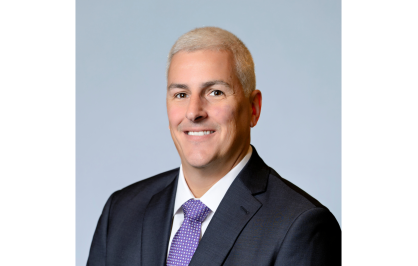
“Our new Catalyst Grant program provides larger and multi-year grants to support innovative initiatives focused on catalyzing change and creating lasting progress that responds to one or more of our new community priorities, and related focus areas,” said David N. Cicilline, the Foundation’s president and CEO. “The primary goal is to support collaborations that can implement innovative approaches by breaking down barriers that have prevented progress in the past.”
The Coalition for a Multilingual Rhode Island will receive $750,000 over three years to strengthen the pipeline of multilingual teachers in response to the state's increasingly diverse public school student population through its Preparing Rhode Island's Multilingual Educators (PRIME) initiative.
The work will include collecting data to understand workforce gaps, engaging school districts serving students who are not yet proficient in English and partnering with community organizations and educator preparation programs to identify and prepare promising multilingual candidates to become the certified teachers Rhode Island urgently needs. This investment positions the state to expand Bilingual and Dual Language programs in our public schools, the programs that best serve multilingual learners and position all students to become bilingual, biliterate, and prepared for college and careers where multilingualism is increasingly a requirement.
"By mapping available pathways and working collaboratively to streamline them, we will make teaching more accessible to a wider pool of candidates in our workforce,” said Dr. Erin L. Papa, the coalition’s executive director. “Rhode Island's greatest untapped resource is local talent that is multilingual and culturally diverse."
Key strategies include streamlining pathways through collaboration with educator preparation partners, expansion of the PRIME Navigator position through the Coalition's partnership with RI Reconnect in the Office of the Postsecondary Commissioner (OPC); collaborating with the Rhode Island Department of Education and the OPC on policy change; and launching a Multilingual Educator Affinity Group to strengthen support professional learning and advocacy.
“Rhode Island must make teaching more accessible and appealing for people from all backgrounds,” said Papa. “By building collaborative frameworks, we aim to reduce competition among districts for qualified educators and ensure every classroom has fully certified Bilingual Dual Language and World Language teachers that reflect the communities they serve.”
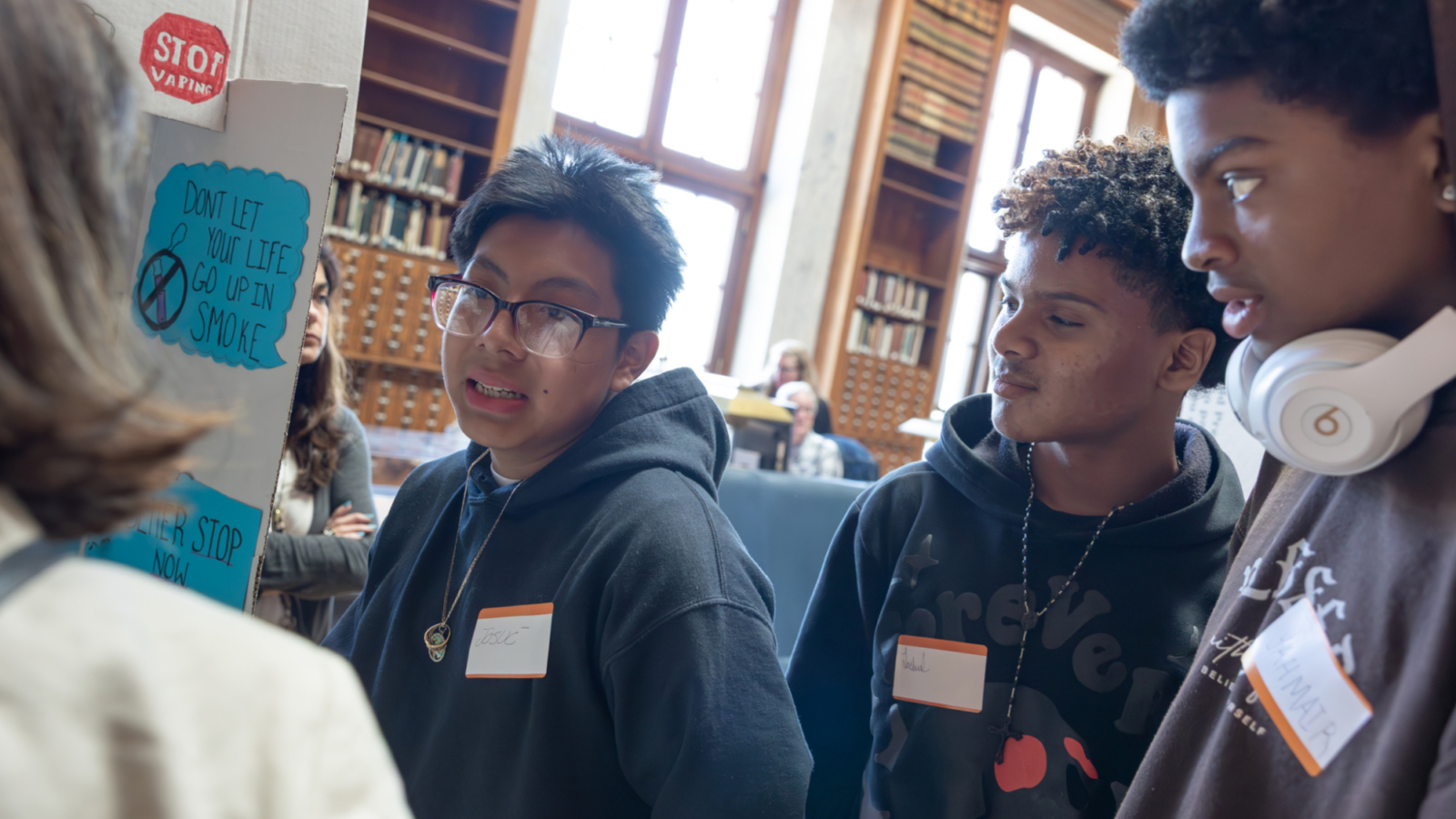
Generation Citizen will receive $650,000 over three years to strengthen the civic education of young Rhode Islanders through the Rhode Island Civic Learning Coalition—a collaborative network uniting nonprofits, community groups, educators, youth leaders and public institutions around a shared vision of a democracy in which all people are empowered, included and heard.
"Rhode Island is at a pivotal moment where the health of our democracy depends on reimagining how we prepare young people for civic life. Through coalition-driven, systems-level change, this initiative will expand statewide capacity to deliver equitable, high-quality civic education that prepares all students, regardless of background, to be informed and active participants in democracy," said Kristina Pires, New England executive director, New England.
The work will include generating a study examining the state of civics in Rhode Island and establishing virtual professional learning networks through partnerships with the R.I. Department of Education, teacher unions and civic organizations to provide ongoing curriculum support and facilitate resource sharing among educators across the state.
"To achieve our goals, we must strengthen the coalition's operational capacity through communications support, research capability and diverse membership expansion. By working collaboratively with youth leaders and partner organizations, our advocacy will engage key stakeholders including the R.I. Department of Education, the Secretary of State's office and partners like the R.I. Bar Association to create lasting, systems-level impact statewide," said Pires.
With a grant for $750,000 over three years, five local organizations will launch the RI Girls Coalition to organize and facilitate efforts with other girl-serving organizations focusing on education, physical health, mental and behavioral health, as well as the factors contributing to their well-being, including family and community, and society.
Coalition partners are Girls on the Run RI, Rhode Island for Community and Justice, Women's Fund of Rhode Island, The Womxn Project Education Fund and the Girl Scouts of Southeastern New England (GSSNE), which will serve as the grant lead and administrator. Together, the Coalition partners will expand programming opportunities, create a statewide convening and publish updates to their 2025 inaugural RI Girls Report.
“We seek to enable every girl and gender-expansive youth in RI to live her best life physically, academically, emotionally and socially. By engaging in communities across the state, we will continue to learn about girls’ needs while working to create innovative solutions that remove barriers, specifically for those living in low-income communities. We will advocate for systemic change to provide accessible and equitable experiences for all,” said GSSNE CEO Dana Borrelli-Murray. “Together, we will create spaces and opportunities for community connection that directly tie to the needs identified in the report."
The R.I. Food Policy Council (RIFPC) will receive $747,893 to create a new Food & Climate Action Partnership that will rely on civic engagement to catalyze change and create measurable progress toward a more just and resilient food system.
“Rhode Island boasts a thriving food system. However, amidst this prosperity, a stark reality persists; approximately 38% of residents grapple with food insecurity, underscoring systemic challenges exacerbated by climate change, racial injustice and health inequities,” said Nessa Richman, who will direct the new Partnership in addition to her role as the RIFPC’s executive director.
Working with CET and FoodRecovery.org, the Partnership will use the grant to bring forward a set of activities that will increase food access and boost food-related climate and environmental resilience. The goals are to strengthen civic engagement, reduce food insecurity and lower greenhouse gas emissions in Rhode Island by increasing the donation of excess food, increasing composting of food scraps and lowering the amount of food being landfilled.
“Food waste is the top single material in the state’s waste stream. By leveraging the core strengths of the Council and our partners, this work will be accomplished through a combination of on-the-ground activity in five municipalities, state-level convening, education and advocacy,” said Richman.
William James College will receive $500,000 over three years to launch a Peace Corps-style, paid service year program that directly fills critical workforce shortages in Rhode Island behavioral health agencies and hospitals. Dubbed the R.I. Behavioral Health Service Corps (BHSC), the program will partner with several community health agencies and place as many as 45 students in the field.
“Workforce shortages are placing unprecedented strain on behavioral health systems nationwide, and the lack of diversity within the field continues to create barriers to quality care,” said Dr. Nicholas Covino, President of William James College. “This transformational gift empowers us to deliver an innovative model to the Ocean State. The BHSC program equips emerging professionals with the experience and training to provide support for people with mental health challenges. It offers an opportunity for scholars to learn more about themselves while contributing service that addresses the current crisis in mental health.”
Participants will be assigned to a variety of settings such as home-based services, outpatient clinics, hospital settings, residential treatment programs, inpatient units and community health centers and provide a range of direct care services; including health screenings, health education, resource bridging, care coordination, community integration and social support; all the while receiving group supervision, mentorship and career counseling. Placement site partnerships include Bierman Autism Centers, Bradley Hospital, Brown Health/Gateway, Butler Hospital, Child Builders ABA, Justice Resource Institute Leader in Social Justice, Key Program Inc., Northeast Family Services and Tides Family Services.
According to Covino, the BHSC is a unique service-learning program focused on training the next generation of mental health professionals.
“Since its launch in 2020, the BHSC has emphasized professionalism, equity and representation. The structured pathway that is central to the program allows our students to work with underserved communities while gaining essential experience and addressing urgent mental health needs,” he said.
The Rhode Island Recycling Project will receive $750,000 over three years in grants to help every elementary school in Rhode Island launch student-led food waste recycling programs. The initiative is expected to reduce greenhouse gas emissions while extending the life of the Central Landfill in Johnson by diverting hundreds of tons of cafeteria food waste from the Johnston facility to composting and other environmentally friendly uses.
Because Catalyst awards multi-year grants, the program is not expected to open another round of applications until at least 2027.
In addition to the Catalyst grants, the Foundation also awarded $600,000 in planning grants to five organizations.
The Community Provider Network of Rhode Island will receive $100,000 for its Opportunity Partnership Campus; the Center for Indigenous Peoples Rights will receive $150,000 to develop a framework for Indigenous land stewardship and economic development, the Commercial Fisheries Center of Rhode Island will receive $100,000 to expand the Rhode Island Community Seafood Donation Program; The Partnership for Community Progress will receive $150,000 to support its Beloved Woonsocket initiative and Building Futures will receive $100,000 to support its Women Building Rhode Island program.
The Rhode Island Foundation is the largest and most comprehensive funder of nonprofit organizations in Rhode Island. Through civic leadership, fundraising and grantmaking activities, together with neighbors and partners, the Foundation is helping to create progress that lasts.
Share this article