Donors
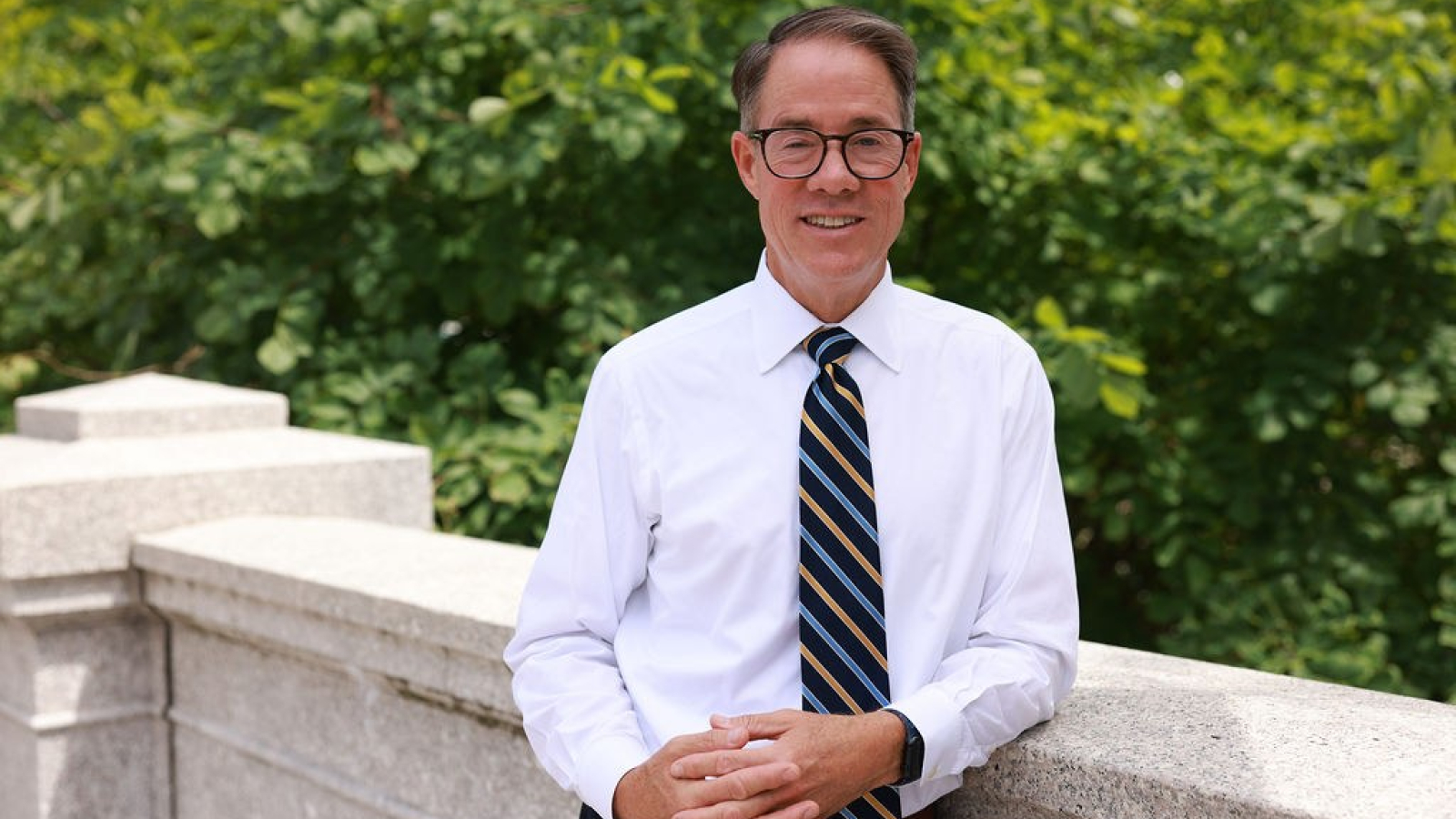
Who gives? Tom Coderre
At the age of 25, Tom Coderre won a seat in the Rhode Island Senate, the kind of early success many people spend an entire career pursuing. But it would take a difficult, determined climb out of addiction to find the purpose that defines him now: helping others get the support that lasting recovery requires.
Tom grew up in Pawtucket and followed his mother, Elaine, a longtime state representative, into public service. By his own account, it was an overwhelming and high-pressure introduction to political life. And behind the scenes, Tom was struggling with addiction, one that, in time, cost him nearly everything he cared about, including his Senate seat. Recovery did not come easily, or all at once. After several setbacks, Tom found his way into sustained, long-term recovery and began rebuilding his life with intention. He completed the bachelor's degree he'd left unfinished at Rhode Island College, and began building, piece by piece, the emotional, professional, and financial stability that would carry him forward.
That rebuilding included work for Faces & Voices of Recovery, a national recovery advocacy organization, and then six legislative sessions as Chief of Staff to the Rhode Island Senate President Teresa Paiva Weed. Tom later joined the Substance Abuse and Mental Health Services Administration (SAMHSA) and held both political and career roles over the years, from senior advisor in Washington, D.C., to his current role as a senior executive at SAMHSA. He's also writing a book about what he calls 'recovery capital': the internal and external resources — stable housing, quality education, employment, financial security, healthy relationships, and a sense of purpose — that people overcoming addiction can draw upon to initiate and sustain recovery and build healthy, meaningful lives.
Tom recently became a new member of the Rhode Island Foundation's 1916 Society, and a gift from his estate will establish the Tom Coderre Addiction Recovery Legacy Fund for organizations and programs that help people build recovery capital, something he believes rarely gets the attention it deserves. He also hopes the fund will spark a broader culture of recovery philanthropy. People whose lives have been touched by cancer, heart disease, and other health conditions often make those causes part of their charitable giving. With millions of Americans living in recovery, Tom believes the recovery community represents an enormous, largely unrealized philanthropic force—one that could collectively invest in helping future generations find recovery.
“You don't have to be wealthy to get involved,” he shares. “Everyone leaves something behind eventually…the question is what do you want it to do.”
Which talent would you most like to have?
I enjoy biking, so maybe having the ability to ride the Tour de France. I'm pretty sure sticking to local bike paths is safer!
What do you consider your greatest achievement?
Finding recovery and building a life I never could have imagined when I was struggling with addiction.
What do you most value in your friends?
Loyalty, certainly, but also emotional connection. The older I get, the more I value the people with whom I can be completely myself.
Who are your heroes in real life?
My parents are heroes to me. They sacrificed a lot for me and my family to have the life we have today. Ten years ago, I would have named a famous person, but the older I get, the more appreciation I have for them and how much of who I am came from them.
What is your greatest regret?
I try not to live with regret. There are certainly things I wish I had done differently, especially during my addiction, but those experiences are also part of what made me who I am. Recovery has taught me that I can't change the past, but I can decide what I do with it.
What is your idea of perfect happiness?
Being comfortable in my own skin, knowing who I am, being surrounded by people I love, and feeling that I'm using my life for something that matters.
What do you love about Rhode Island?
It's home. I love the people, the beauty, the food, and the sense of community here. I've lived in other places and haven't felt that same sense of togetherness, that bond. It always draws me back.
What do you appreciate about the Rhode Island Foundation?
My relationship with the Foundation as a donor is new, but I've worked with it in different capacities throughout my career. I've always appreciated its ability to take the long view: bringing people together around Rhode Island's toughest challenges and making strategic investments that can strengthen communities for generations. That's one of the reasons it felt like the right home for this legacy.
What is your motto?
“Every day's a holiday.”
I've been saying it for years. It doesn't mean every day is easy or that everything is always great. It's a reminder to approach life with gratitude and optimism, even when I don't necessarily feel that way in the moment. I've been given a life I once came very close to losing. I try not to forget that.
Share this article